
Module 3 - Observation and Guidance
It is important to know how to best help children in your care by observing them and identifying their specific needs. This module will define the different kinds of observation you can use when caring for children and how to offer more effective guidance and discipline.
Search results: 56
Module 4 - Learning Happens in Relationships
Our kids are constantly responding to family members, teachers, and social relationships that help to shape their understanding of the world around them. This module explores how relationships between families, children and teachers can help learning, and how crafting the environment around them can help children learn.
Contact Hours: 2 hours Gateways Content Areas: CPD (1 hour); IRE (1 hour) CDA Content Areas: 1 (1 hour); 3 (1 hour)Module 5 - Family and Community Relationships
As our partners in child development, families, and especially parents, directly affect a child's learning. In this module you will learn the new ways of working with parents to help their children enjoy learning. You also will explore the social world of a family to be sure that the learning that takes place in your care is consistent with the learning done at home.
Contact Hours: 2 hours Gateways Content Areas: FCR (2 hours) CDA Content Areas: 4 (2 hours)Module 6 - Personal and Professional Development
What does it mean to be a child care professional? How can you be sure you are getting the support and supplies you need? How can you set effective limits with parents and children alike? In this module, you will learn about your own professional development and how to care for yourself so you can continue to care for others.
Contact Hours: 2 hours Gateways Content Areas: PPD (2 hours) CDA Content Areas: 6 (2 hours)Module 7a - Child Development: Ages Birth to 8 Months
Newborns and young babies are developing at an incredible rate, causing them to have special needs unlike older children. In this module, you will understand how children from birth to 8 months learn and grow, and how to individualize their care accordingly.
Contact Hours: 2 hours Gateways Content Areas: HGD (2 hours) CDA Content Areas: 3 (1 hour); 8 (1 hour)Module 7b - Child Development: Ages 8 to 18 Months
In this continuation of the first child development module, you will explore development among children ages 8-18 months. You'll identify how this age group differs in growth and their approach to learning, and you'll discover toys, games and songs that are helpful and just right for their development.
Contact Hours: 2 hours Gateways Content Areas: HGD (2 hours) CDA Content Areas: 3 (1 hour); 8 (1 hour)Module 7c - Child Development: Ages 18 to 36 Months
Toddlers are an energetic bunch who require plenty of stimulation and education. In this final section of child development training, you'll explore how children age 18 to 36 months learn language, learn to think, learn to move, and learn feelings, so you can better nurture this often curious age group.
Contact Hours: 2 hours Gateways Content Areas: HGD (2 hours) CDA Content Areas: 3 (1 hour); 8 (1 hour)As children mature, their minds aren't the only things growing at an incredible rate. In this module, you will explore the special areas of physical development in preschool-aged children. You also will learn about fine motor activities that will help preschoolers grow into their bodies while developing proper coordination and movement.
Contact Hours: 2 hours Gateways Content Areas: HGD (1 hour); IRE (1 hour) CDA Content Areas: 2 (2 hours)Module 8c - The Preschool-Age Child: Language Development
Appropriate speech patterns and language skills are crucial to nurturing effective communications by preschoolers. In this module, you will explore how to use pictures and storybooks to lay the foundation for good reading and proper language use.
Contact Hours: 2 hours Gateways Content Areas: HGD (1 hour); IRE (1 hour) CDA Content Areas: 2 (2 hours)Module 8d - The Preschool-Age Child: Cognitive Development
In this module on preschool development, you will dive deeper into how preschoolers learn and identify tips for making learning fun. With suggestions for activities that encourage your preschoolers to explore numbers, shapes, colors and science, this module gives all the information you need to grow and stretch the ability of children to think and understand.
Contact Hours: 2 hours Gateways Content Areas: HGD (1 hour); CPD (1 hour) CDA Content Areas: 2 (2 hours)Module 9 - School-Age Development
This module on child development looks at school-age children to uncover how their learning and growth differs. With tips on how to better care for school-aged youth, this module offers you guidance on how to set rules and limits and to get your school-aged kids to appreciate safety and respect.
Contact Hours: 2 hours Gateways Content Areas: HGD (1 hour); CPD (1 hour) CDA Content Areas: 2 (1 hour); 8 (1 hour)Module 8a - The Preschool-Age Child: Social and Emotional Development
As children approach preschool age, their needs begin to change. This is the first of four modules designed to better understand children as they approach school age. You will identify characteristics of social and emotional development and learn techniques for promoting appropriate and effective discipline for preschool children.
Contact Hours: 2 hours Gateways Content Areas: HGD (2 hours) CDA Content Areas: 3 (2 hours)
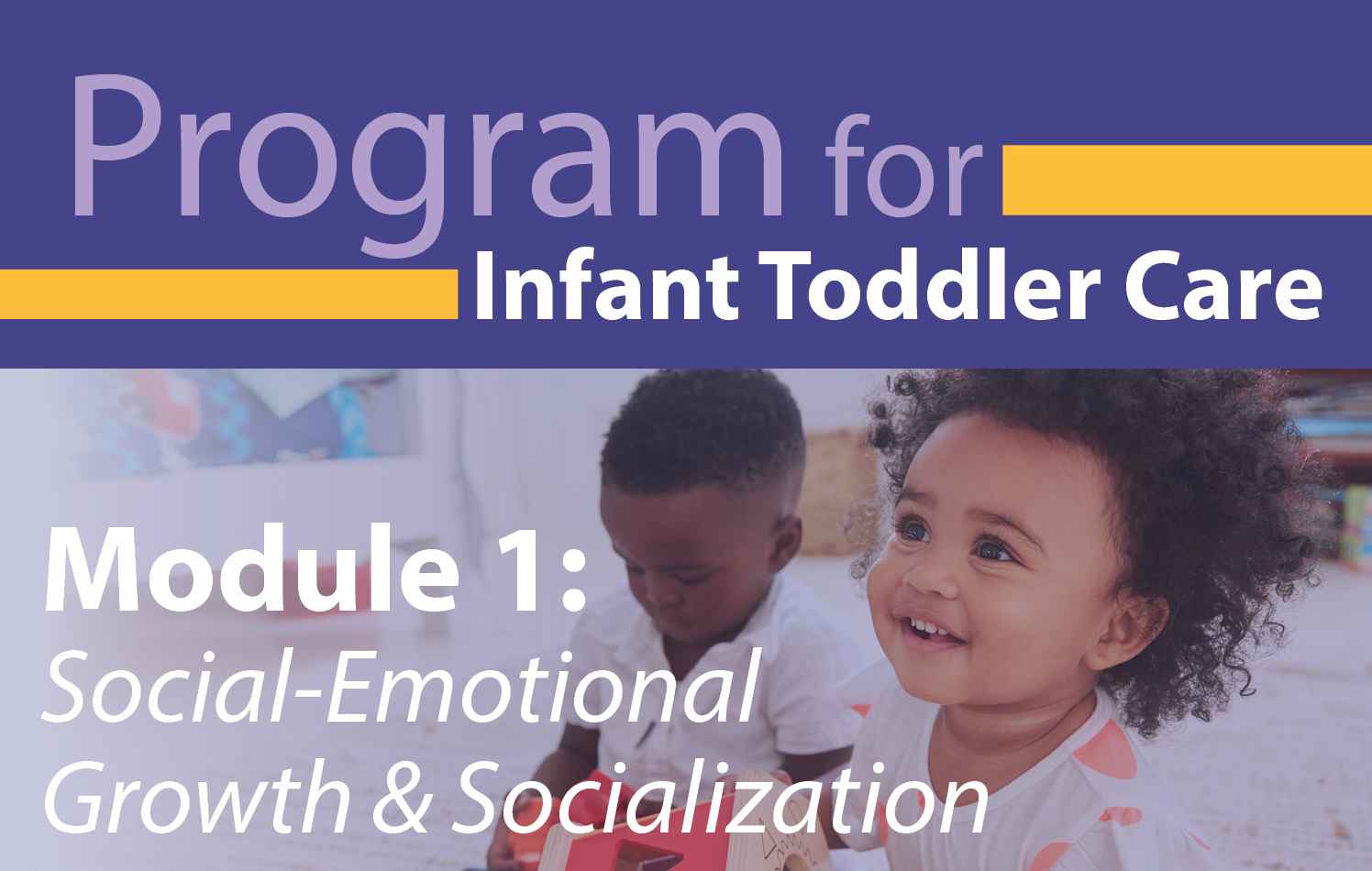
This is the assessment portion of the PITC Module 1: Social-Emotional Growth & Socialization course. Participants will receive credit for the PITC Module 1 training upon completion of this portion of the course.
Contact Hours: 2
Gateways Content Area & Credential Competency: ITC - HGD 1, HGD 3, HGD 6
Esta
es la parte de evaluación del curso Módulo PITC 1: Crecimiento socioemocional y
socialización. Los participantes recibirán crédito por la capacitación del
Módulo 1 del PITC al finalizar esta parte del curso.
Horas de contacto: 2
Áreas de contenido de Gateways y Competencia de credenciales: ITC - HGD1, HGD3, HGD 6
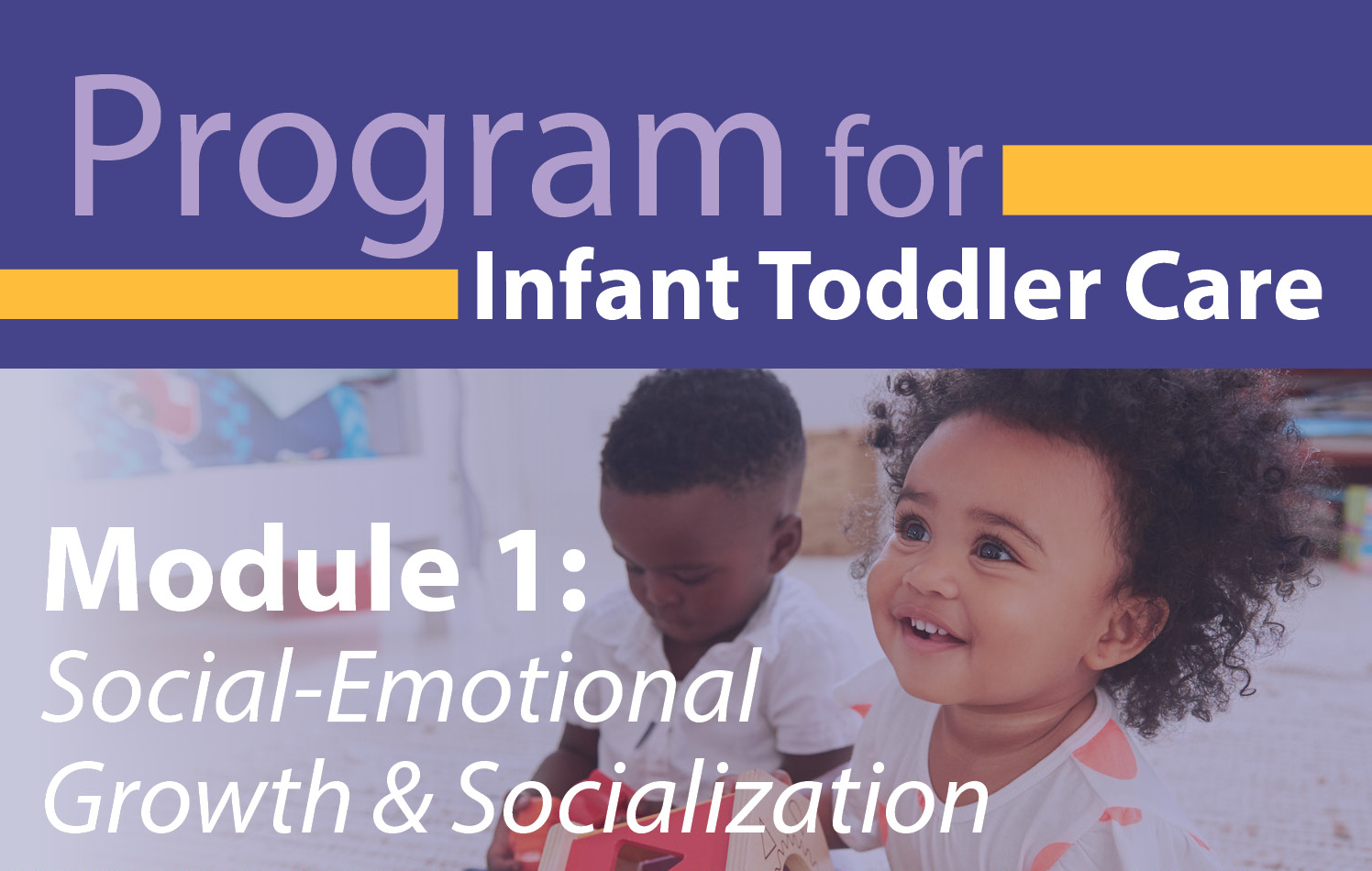
This is the assessment portion of the PITC Module 1: Social-Emotional Growth & Socialization course. Participants will receive credit for the PITC Module 1 training upon completion of this portion of the course.
Contact Hours: 2
Gateways Content Area & Credential Competency: ITC - HGD 1, HGD 3, HGD 6
Esta
es la parte de evaluación del curso Módulo PITC 1: Crecimiento socioemocional y
socialización. Los participantes recibirán crédito por la capacitación del
Módulo 1 del PITC al finalizar esta parte del curso.
Horas de contacto: 2
Áreas de contenido de Gateways y Competencia de credenciales: ITC - HGD1, HGD3, HGD 6
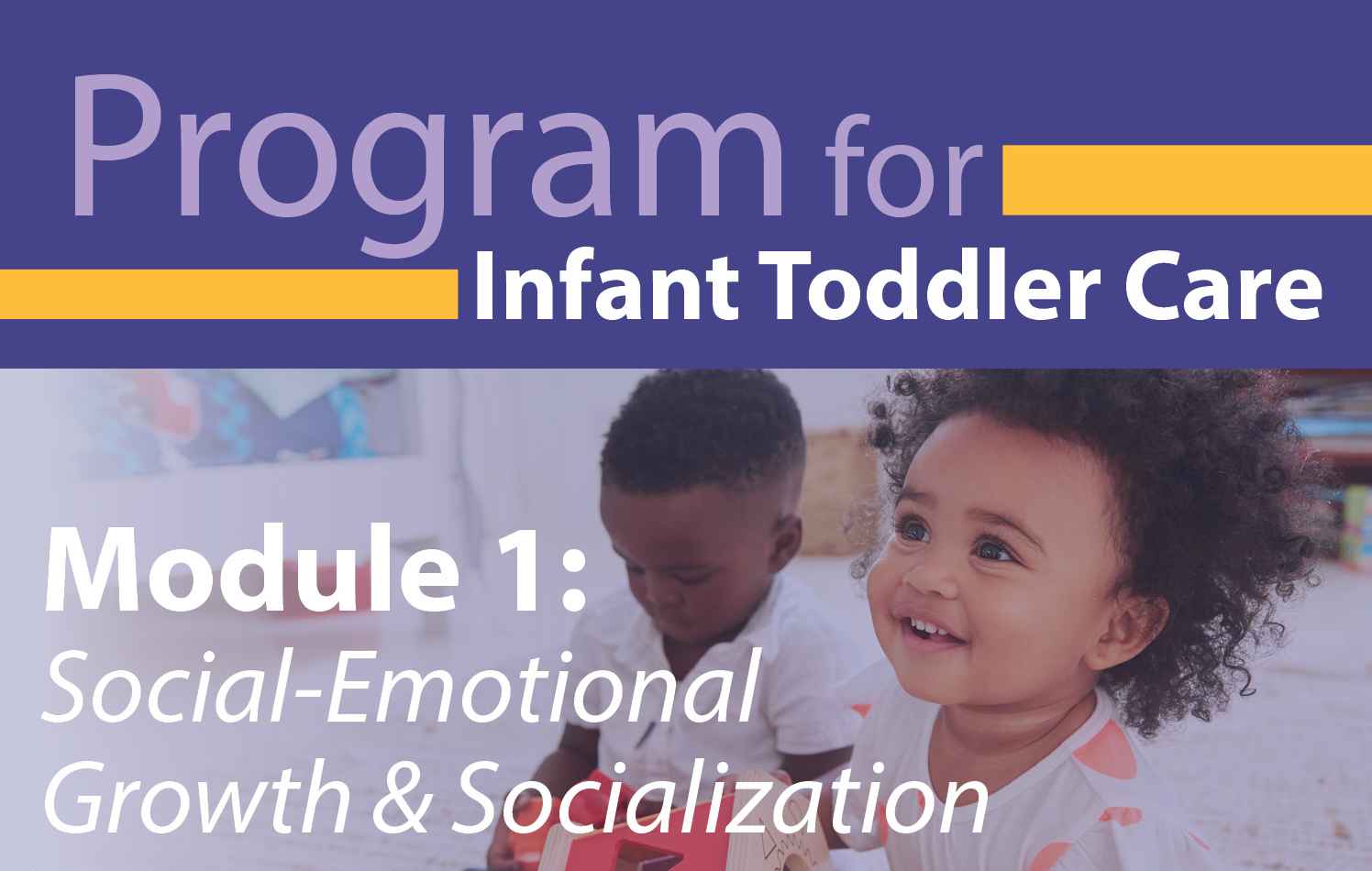 Module 1_compressed.png
This is the assessment portion of the PITC Module 1: Social-Emotional Growth & Socialization course. Participants will receive credit for the PITC Module 1 training upon completion of this portion of the course.
Contact Hours: 2
Gateways Content Area & Credential Competency: ITC - HGD 1, HGD 3, HGD 6
Esta
es la parte de evaluación del curso Módulo PITC 1: Crecimiento socioemocional y
socialización. Los participantes recibirán crédito por la capacitación del
Módulo 1 del PITC al finalizar esta parte del curso.
Horas de contacto: 2
Áreas de contenido de Gateways y Competencia de credenciales: ITC - HGD1, HGD3, HGD 6
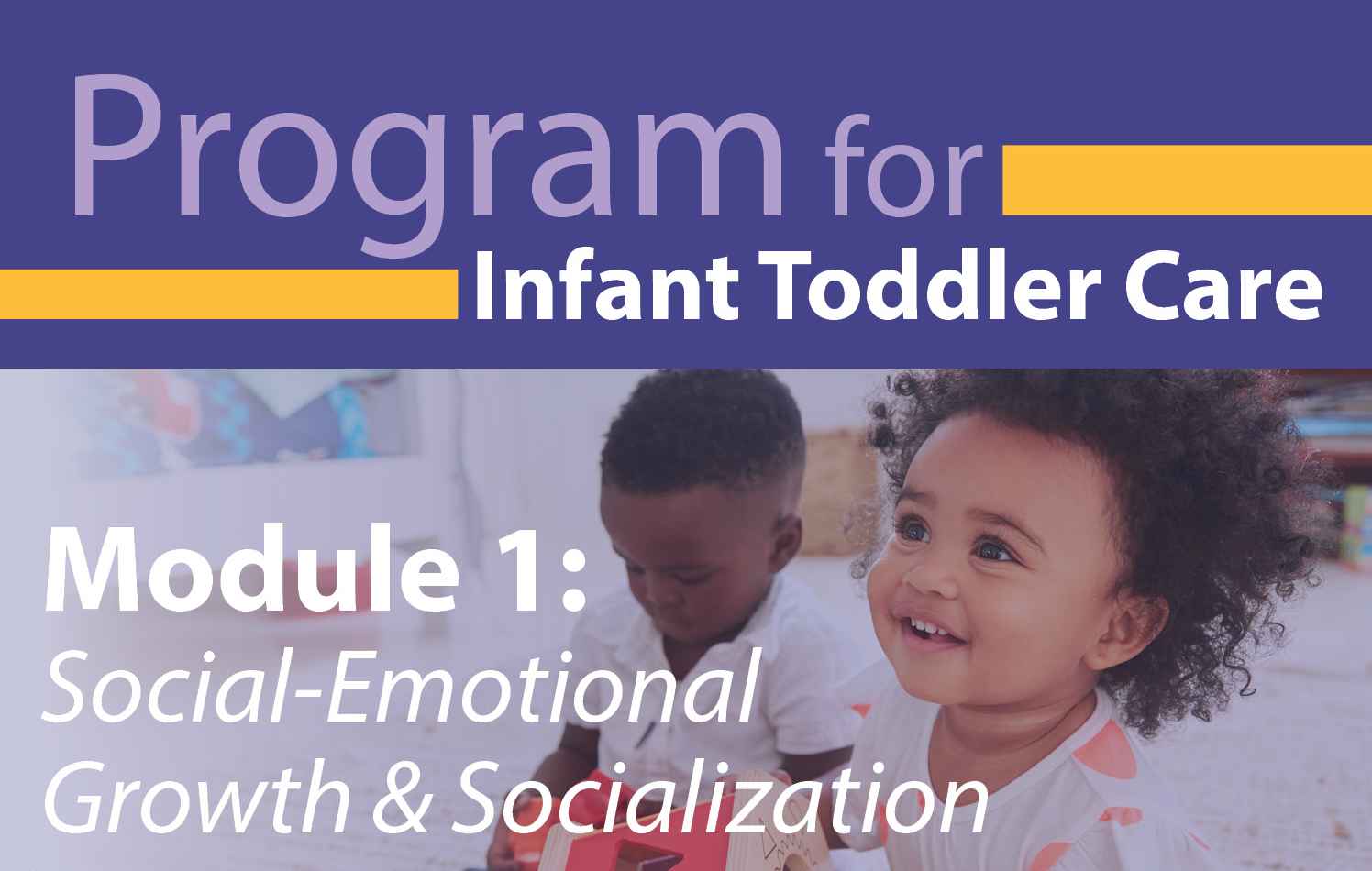 Module 1_compressed.png
This is the assessment portion of the PITC Module 1: Social-Emotional Growth & Socialization course. Participants will receive credit for the PITC Module 1 training upon completion of this portion of the course.
Contact Hours: 2
Gateways Content Area & Credential Competency: ITC - HGD 1, HGD 3, HGD 6
Esta
es la parte de evaluación del curso Módulo PITC 1: Crecimiento socioemocional y
socialización. Los participantes recibirán crédito por la capacitación del
Módulo 1 del PITC al finalizar esta parte del curso.
Horas de contacto: 2
Áreas de contenido de Gateways y Competencia de credenciales: ITC - HGD1, HGD3, HGD 6
 Module 1_compressed.png
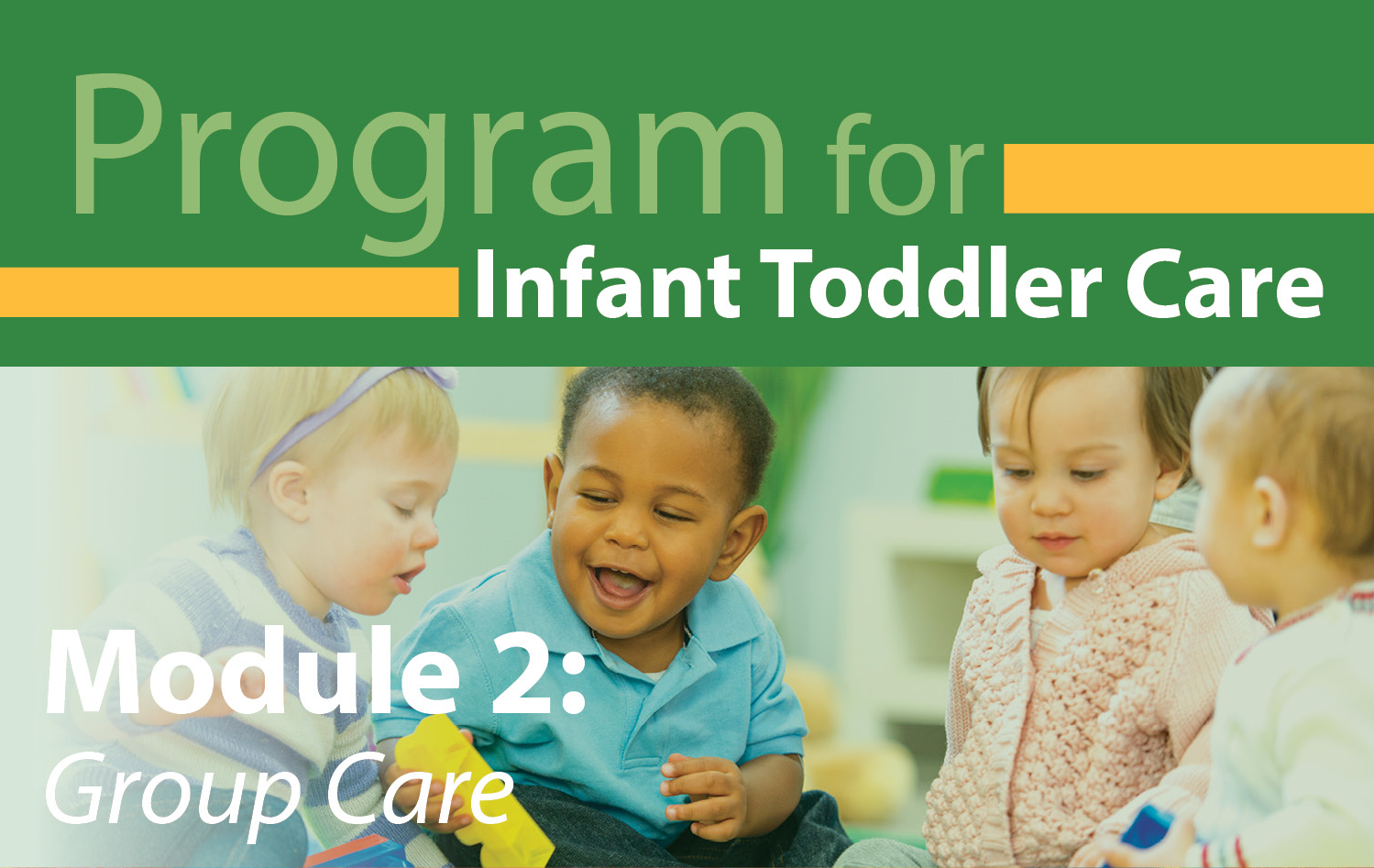
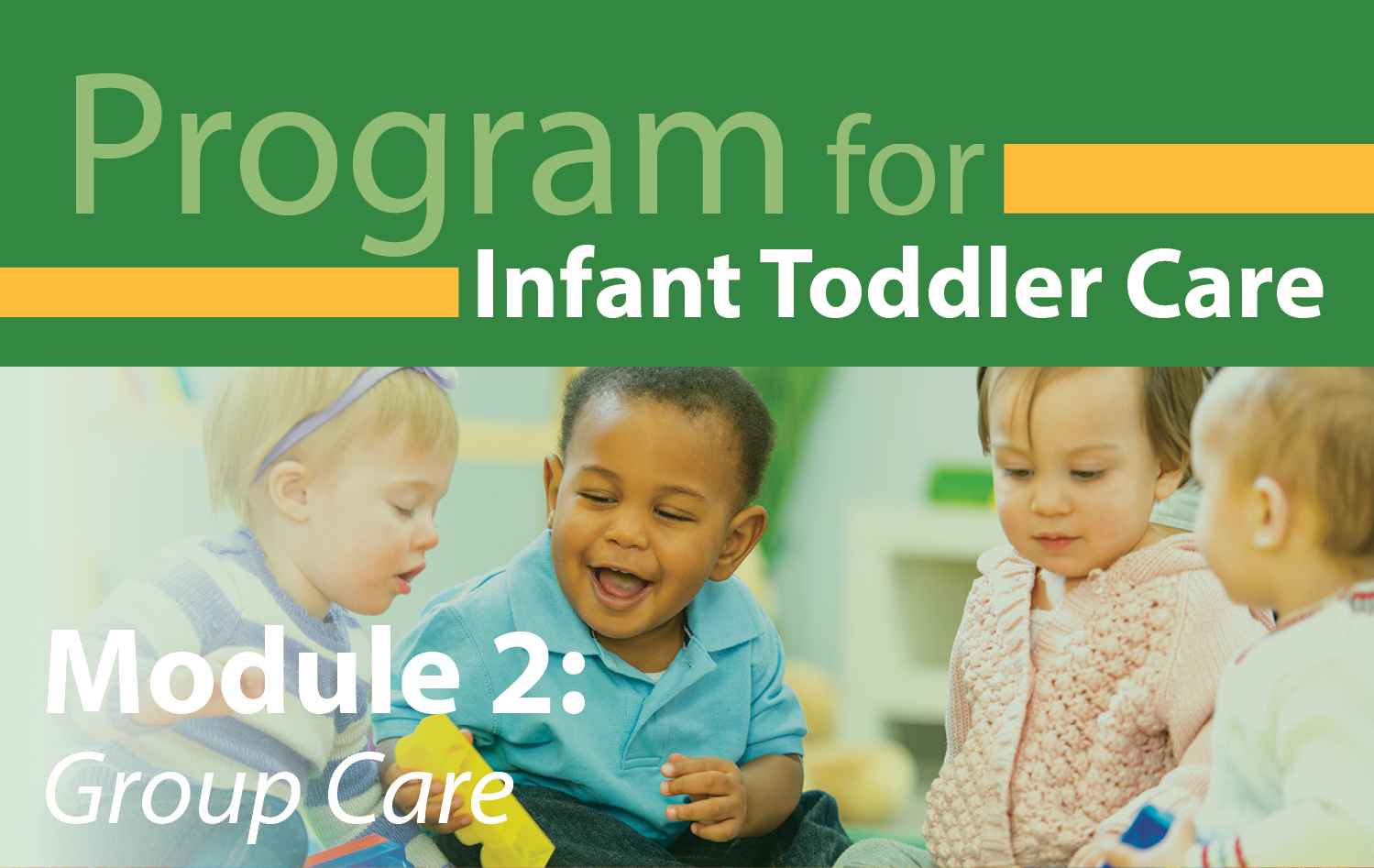
This is the assessment portion of the PITC Module 2: Group Care course. Participants will receive credit for the PITC Module 2 training upon completion of this portion of the course.
Contact Hours: 2
Gateways Content Area & Credential Competency: ITC - HSW2, IRE2, IRE3
Esta es la parte de evaluación del curso Módulo PITC 2: Cuidado en grupo. Los participantes recibirán crédito por la capacitación del Módulo 2 del PITC al finalizar esta parte del curso.
Horas de contacto: 2
Áreas de contenido de Gateways y Competencia de credenciales: ITC - HSW2, IRE2, IRE3
This is the assessment portion of the PITC Module 2: Group Care course. Participants will receive credit for the PITC Module 2 training upon completion of this portion of the course.
Contact Hours: 2
Gateways Content Area & Credential Competency: ITC - HSW2, IRE2, IRE3
Esta es la parte de evaluación del curso Módulo PITC 2: Cuidado en grupo. Los participantes recibirán crédito por la capacitación del Módulo 2 del PITC al finalizar esta parte del curso.
Horas de contacto: 2
Áreas de contenido de Gateways y Competencia de credenciales: ITC - HSW2, IRE2, IRE3
 Module 2_compressed.png
This is the assessment portion of the PITC Module 2: Group Care course. Participants will receive credit for the PITC Module 2 training upon completion of this portion of the course.
Contact Hours: 2
Gateways Content Area & Credential Competency: ITC - HSW2, IRE2, IRE3
Esta es la parte de evaluación del curso Módulo PITC 2: Cuidado en grupo. Los participantes recibirán crédito por la capacitación del Módulo 2 del PITC al finalizar esta parte del curso.
Horas de contacto: 2
Áreas de contenido de Gateways y Competencia de credenciales: ITC - HSW2, IRE2, IRE3
 Module 2_compressed.png