Search results: 214

This online course is an introduction to the Illinois Early Learning Guidelines for Birth to Age Three (IELG). The content in this course will cover the history, purpose and role of the Illinois Early Learning Guidelines, aid participants in developing a working knowledge of IELG and provide resources for the implementation of the IELG.
Contact Hours: 3 hours Gateways Content Areas: HGD (1 hour); OA (1 hour); IRE (1 hour) CDA Content Areas: SE(1 hour); OB (1 hour); CD (1 hour)Esta capacitación está disponible en español aquí.

This course is part of a larger series of sessions that combine to make up the Orientation to the Illinois Model of Infant/Early Childhood Mental Health Consultation (IECMHC). There are four sections to this course that must be complete prior to the start of the live zoom sessions:
- Vignette Assessment (assesses the familiarity with the competencies in the Illinois Model of I/ECMHC and an individual plan on how to increase knowledge of those competencies)
- Introduction to the Illinois Model of I/ECMHC
- Introduction to the Pyramid Model
- Community Systems Partnerships & Early Childhood Systems.
It is estimated to take approximately 3-4 hours to complete this online course.
All portions of the Orientation to the Illinois Model must be finished (this online course and all live Zoom sessions) for full credit of completion to be given.
Contact Hours: 4 hours Gateways Content Areas: PPD (4 hours) CDA Content Areas: PRO(4)

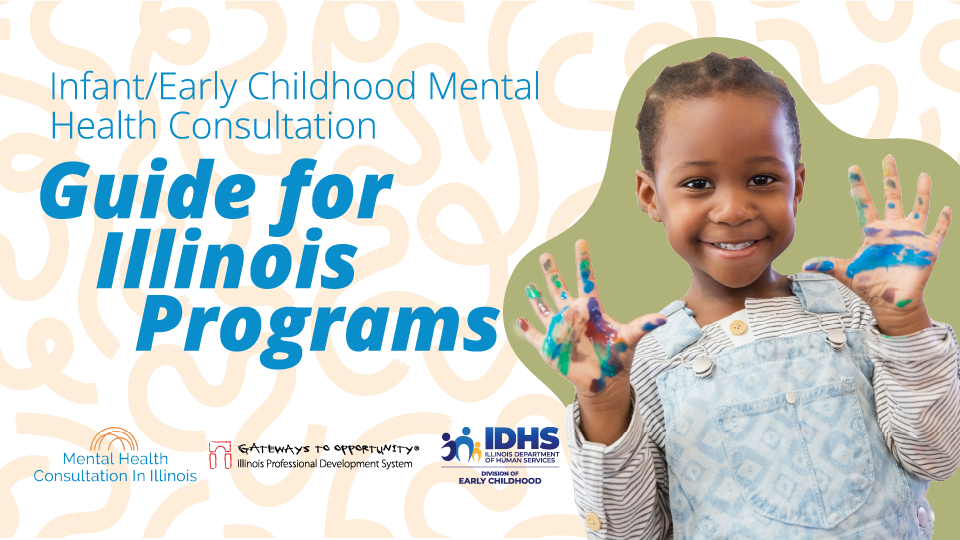
Welcome to "Infant/Early Childhood Mental Health Consultation: A Guide for Illinois Programs". This training will present an overview of the purpose and role of an Infant/Early Childhood Mental Health Consultant in Illinois child care settings. Participants will be introduced to the different types of consultation and the benefits of adding consultation to their program. Participants will also learn how to access consultation services by using available funding and resources.
Contact Hours: 1 Gateways Content Areas: Family and Community Relationships - FCR (1 hour) CDA Hours: 6 Professionalism (1 hour)

Midwest Pesticide Action Center, in collaboration with the Illinois Network of Child Care Resource and Referral Agencies, has developed an online learning module to provide all Illinois child care providers with an overview of pest control strategies and requirements. In this presentation, you will become familiar with what the laws are for pest control in child care programs, be provided with a general overview of what Integrated Pest Management (IPM) is, and receive a list of the basic steps for putting an IPM program in place. Ultimately, the goal of this presentation is to provide you with the tools you need to reduce the exposure of you and the children you care for to pests and pesticides.
Contact Hours: 1 hour Gateways Content Areas: HSW (1 hour) CDA Content Areas: 1 (1 hour)
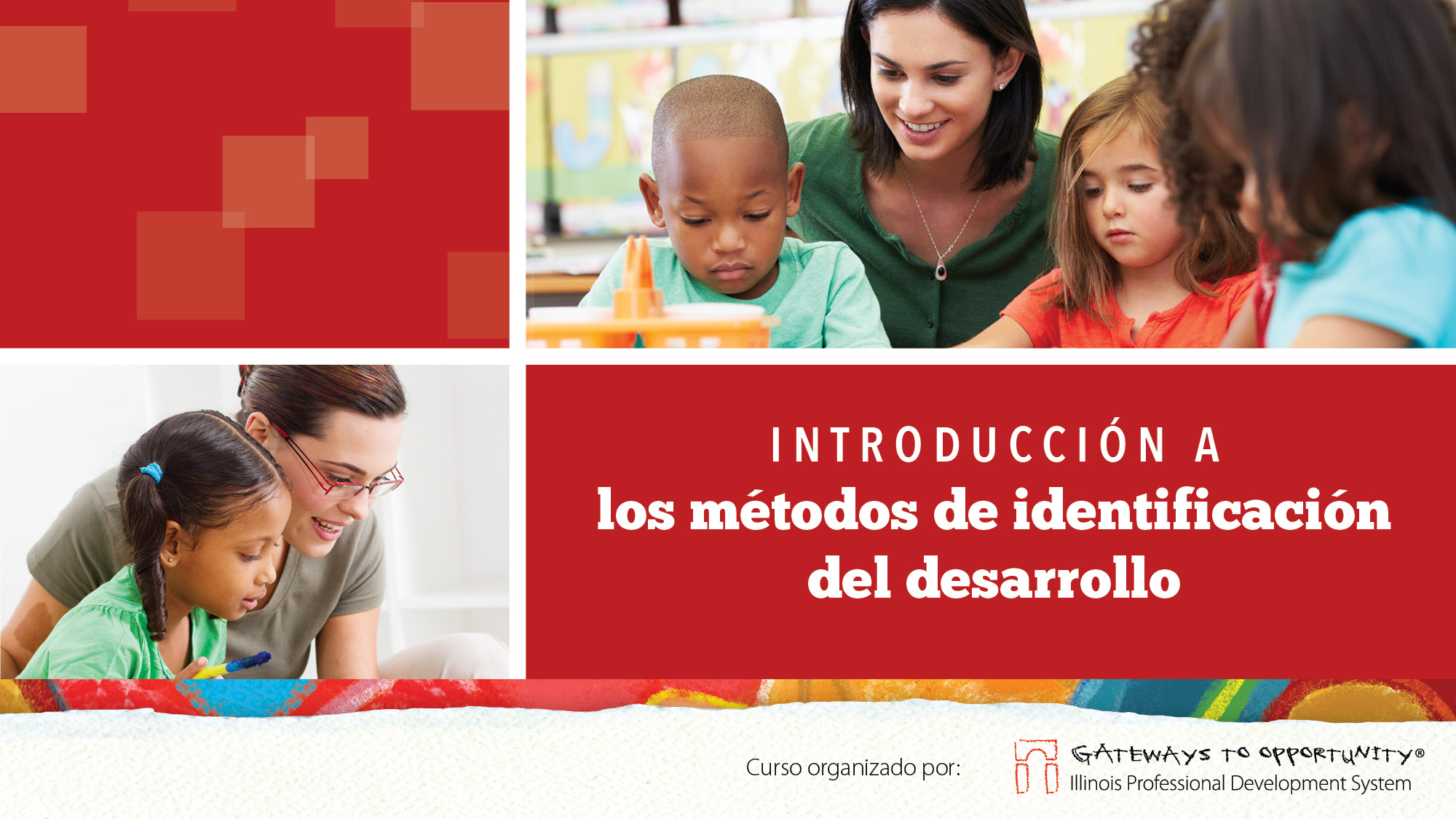
Bienvenido a la versión en línea de Introducción a los métodos de identificación del desarrollo. Esta capacitación aprobada por Registry llega a usted gracias a Gateways to Opportunity®. Esta capacitación está aprobada por ExceleRate y cuenta para el ExceleRate™ Illinois para centros de cuidado infantil certificados y horas de capacitación del programa DCFS certificado. El propósito de esta capacitación es ofrecer a los proveedores instrucción en información básica y administración de herramientas de Herramientas de Evaluación del Desarrollo y su uso en centros de primera infancia. Los temas de la instrucción de este curso serán:
- Definir el término desarrollo y reconocer las señales de retraso en el desarrollo
- Explicar por qué se necesitan evaluaciones del desarrollo y cómo deben y no deben utilizarse
- Definir los diferentes tipos de evaluaciones del desarrollo ampliamente utilizadas en entornos de aprendizaje temprano y desarrollo en Illinois y quién debe usarlas
Horas de contacto: 2,5 horas Áreas de contenido de Gateways: C (2,5 horas) Áreas de contenido de CDA: 7 (2,5 horas)

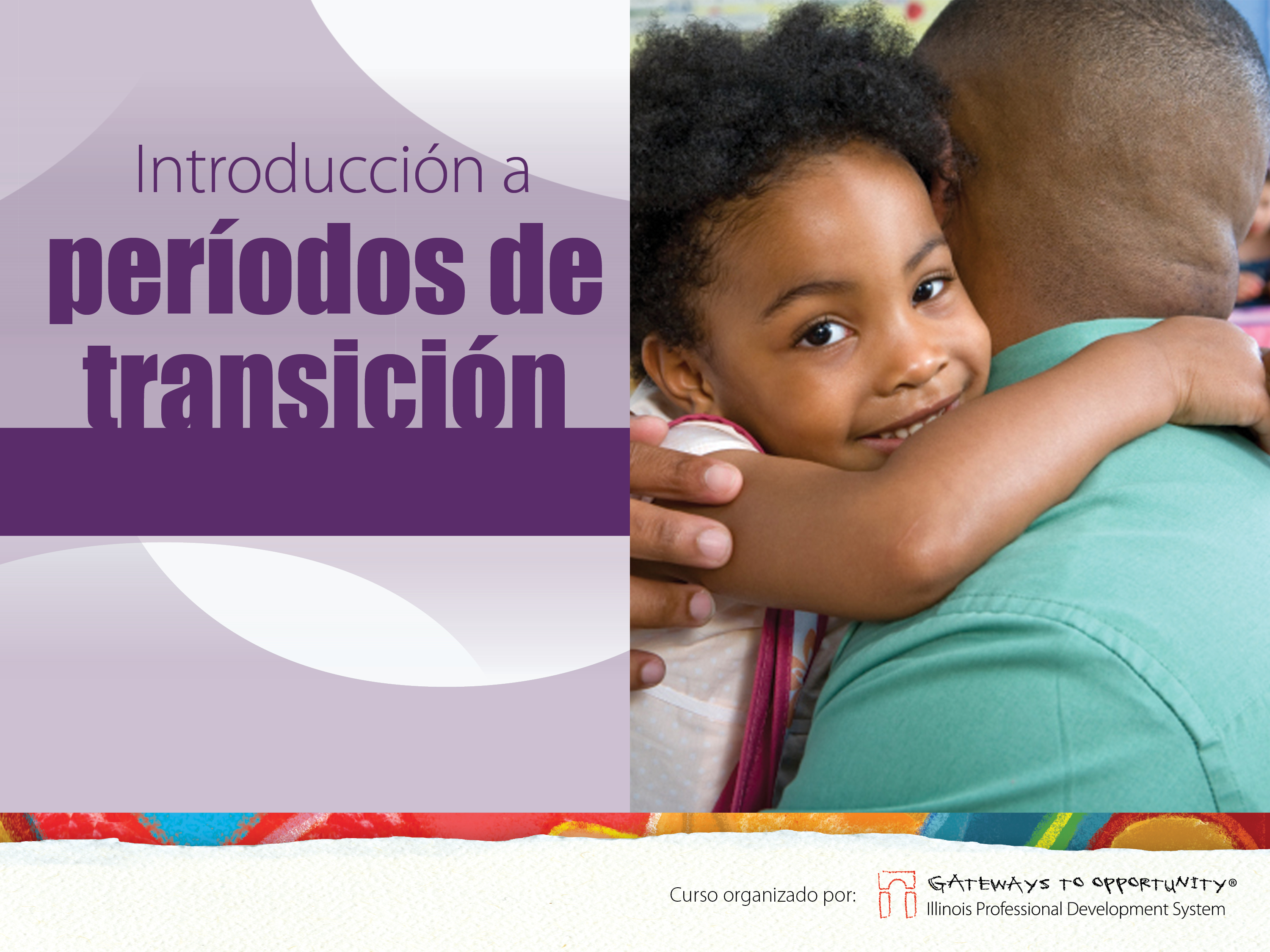
Una Introducción a las Transiciones discute los efectos de varios tipos de transiciones - incluyendo actividad, aula, programa, familia y comunidad - en las familias y el aprendizaje y desarrollo de un niño. Este curso proporcionará estrategias para ayudar a las familias en tiempos de transición, así como, identificar tipos específicos de transiciones que impactan a los niños y las familias.
Esta capacitación aprobada por el Registro es traída a usted por Gateways to Opportunity®. Esta capacitación está aprobada por ExceleRate y cuenta para ExceleRate Illinois para centros de cuidado infantil con licencia y horas de capacitación del programa con licencia DCFS.
Horas de contacto: 3 hours Áreas de contenido de Gateways: HGD (1 hour); IRE (1 hour); FCR (1 hour) Áreas de contenido de CDA: 3 (1 hour); 4 (1 hour); 5 (1 hour)

This course is designed to introduce CCR&R staff to the Child Care Assistance Program (CCAP). Topics include an overview of the program, clients and providers, payments, and a brief explanation of the application process.
Contact Hours: 1 Hour Gateways Content Areas: PPD (1 hour) CDA Content Areas: PRO (1 hour)
This course introduces the process of developmental screening in the early childhood setting to child care practitioners. Observation of a young child's growth and development provides evidence of age-appropriate skill level, continued monitoring of milestones, and the need for referral into an early intervention program. A review of several commercial screening tools is discussed to provide child care practitioners more options to monitor a child's typical development.
This Registry-approved training is brought to you by Gateways to Opportunity®. This training is ExceleRate-approved and counts towards ExceleRate™ Illinois for licensed child care centers and DCFS licensed program training hours.
Esta capacitación está disponible en español aquí.

Introduction to the Child and Adult Care Food Program (CACFP) is a training made specifically for family and group home day care providers. The CACFP is an important program that helps ensure children are eating nutritious foods and developing habits to support lifelong nutrition. This training consists of three modules. Module 1 will go over the basics of the program: the “who, what, when, where, why and how.” Module 2 will cover how to get involved in the program and what you can expect when you start participating. Module 3 is all about how to get the maximum benefits out of participating. Participants will have access to helpful resources and links to support their participation in the food program.
This training was developed by the Illinois Public Health Institute with support from the Centers for Disease Control & Prevention and Illinois Department of Public Health.

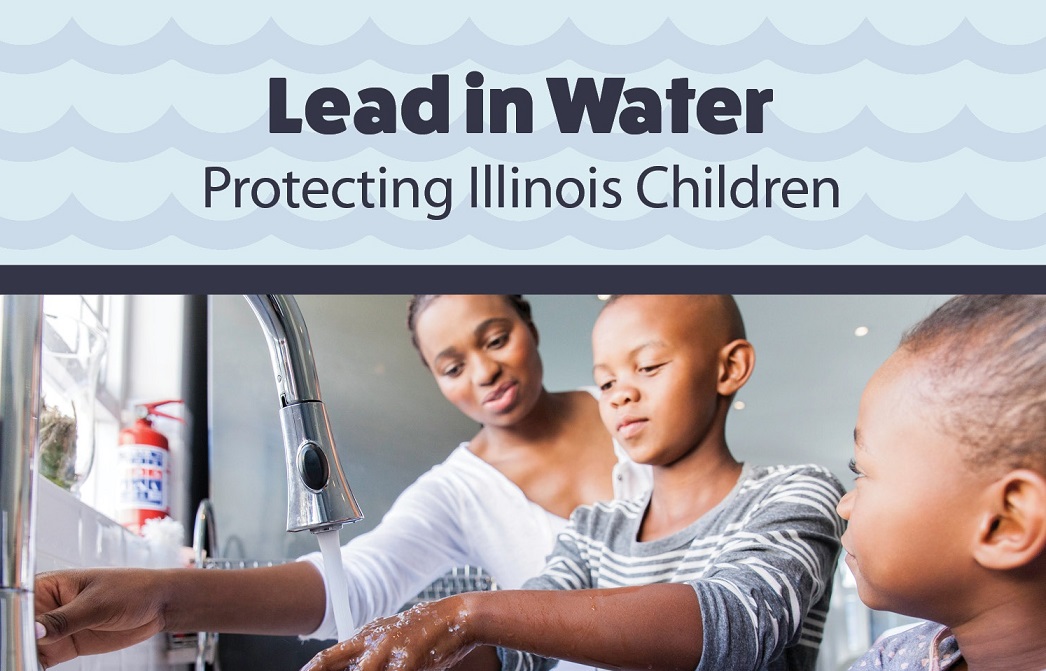
This course provides a brief overview of lead contamination and the harmful effects of lead exposure. Illinois state requirements for lead in water testing are discussed along with the procedures for testing and developing a mitigation plan. This training meets the Illinois DCFS licensing training requirement for the testing of lead in water.
Contact Hours: 1 Gateways Content Areas: HSW (1 hour) CDA Hours: HS (1 hour)
Esta capacitación está disponible en español aquí.

This introductory ECERS-3 training explains how to create engaging play-based learning experiences for young children and support meaningful interactions with adults and peers. You will explore how to plan and enrich your classroom space and materials across the ECERS-3 subscales and items such as fine motor play, art, dramatic play, nature and science, math, etc. Language and Literacy items are also explored, with tips for building vocabulary, engagement with books, and encouraging communication.
Note: Participant should have a copy of the ECERS-3 with you when completing the training.
Contact Hours: 1 hour Gateways Content Areas: OA (1 hour) CDA Content Areas: 5 (1 hour)

This introductory ITERS-3 training explains how to create engaging play-based learning experiences for young children and support meaningful interactions with adults and peers. You will explore how to plan and enrich your classroom space and materials across the ITERS-3 subscales and items such as fine motor play, music and movement, dramatic play, nature and science, math, etc. Language and Books items are also explored, with tips for building vocabulary, engagement with books, and encouraging communication.
Note: Participant should have a copy of the ITERS-3 with you when completing the training.
Contact Hours: 1 hour Gateways Content Areas: OA (1 hour) CDA Content Areas: 5 (1 hour)
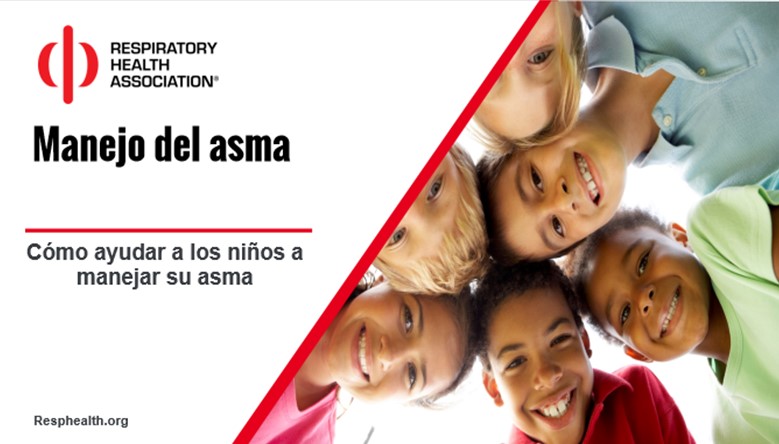
Manejo del asma para proveedores de cuidado infantil es la capacitación gratuita de la Asociación de Salud Respiratoria para cuidadores de niños pequeños con asma documentada o presunta. En este curso de capacitación, RHA educa a los proveedores de cuidado infantil sobre cómo cuidar mejor a un niño que vive con asma.
| Entre los temas tenemos: |
| Identificar a un niño que tiene problemas con el asma |
| Señales de advertencia tempranas de asma |
| Estrategias de evitación de desencadenantes |
| Políticas de medicamentos para el asma |
| Respuesta de emergencia al asma en un entorno de cuidado infantil |
Horas de contacto: 2 horas Áreas de contenido de Gateways: HSW (2 horas) Área de contenido CDA: 1 (2 horas)

A Systems Framework: Understanding the Process of I/ECMH Consultation
This module addresses the systems that I/ECMHC interfaces with. Participants will learn about system’s perspectives generally and begin to understand the settings that I/ECMH consultants work within, both formal and informal. The module explores how learning and change take place and supports consultants toward understanding their role and their relationships as change agents toward better child and family outcomes within a systems context.
Contact Hours: 2 Hours Gateways Content Area: PPD (2hours) CDA Hours: 6(2 hours)

Attachment Theory: Recognizing
Patterns and Behaviors
This module will introduce the learner to attachment theory and its history. Attachment patterns and how they are assessed will be reviewed. The learner will have the opportunity to observe children with both secure and insecure patterns of attachment through video recordings. Characteristics of infants and young children with each of the four primary attachment patterns will be described as well as characteristics of caregivers of children in the four primary attachment categories.
Contact Hours: 3 Hours Gateways Content Area: Personal and Professional Development (2 hours) and Observation and Assessment (1 hour) CDA Hours: 6- Professionalism (2 hours) and 7-Observing/Recording Behavior (1 hour)

Diversity, Equity, Inclusion, and Belonging Considerations
This module is an extension of the Diversity, Equity, and Inclusion module of the Infant/Early Childhood Mental Health Consultant orientation and to further explore Competency 3 of the IL Model of I/ECMHC, an Ability to Work Effectively Throughout Diverse Cultures and Communities. This module will investigate what diversity, equity, inclusion, and belonging (DEIB) mean for the I/ECMHC and how to put these considerations into practice. This module places a heavy emphasis on self-reflection and journaling.
Contact Hours: 3 Hours Gateways Content Area: PPD (3 hours) CDA Hours: 6(3 hours)

Exploring the Types of I/ECMH Consultation
This module will introduce the learner to the key types of infant/early childhood mental health consultation services and the various settings and contexts to which they apply. The learner will gain strategies for discerning the level and type of service appropriate for specific referrals for I/ECMHC in different settings to be most effective. The learner will have the opportunity to look at consultation through a varying lens of services by observing a child/classroom setting through video recording.
Contact Hours: 2 Hours Gateways Content Area: PPD (2hours) CDA Hours: 6(2 hours)

Infant and Early Childhood Mental Health Consultant’s Way of Being
The “Infant and Early Childhood Mental Health Consultant’s
Way of Being” training offers an individual instruction in providing
consultation to early childhood professionals in home visiting, center-based,
family child care homes, and school-based early childhood programs. This training describes the set of competencies
required by I/ECMH Consultants that are based on Georgetown University’s Center
of Excellence for Infant and Early Childhood Mental Health Consultation. Participants will also explore the Consultative Stance adopted for use by
I/ECMH Consultants using the Illinois Model for Consultation.

Supporting Teachers in Consultation by Mastering Principles of Adult Learning Theory
Designed to introduce an understanding of the Principles of Adult Learning in the I/ECMH Consultant’s role. Because adult learners receive information differently, it is important to understand what is required when working with them in consultation. Consultants in this training will build a foundation for their work with teachers by exploring the various types of learning theories and discovering strategies for their use. Information learned in this training will assist the consultant in supporting teachers’ goals of enhancing children’s social, emotional, and mental development by enhancing the social, emotional, and mental climate of their classroom.
Contact Hours: 2 Hours Gateways Content Area: PPD (2hours) CDA Hours: 6(2 hours)